Gardening trends across the UK continue to evolve, shaped by regional climates, property styles, and lifestyle preferences. From compact urban courtyards in London to sprawling countryside gardens in the East Midlands, for example, landscaping has become an extension of the home itself. Homeowners are increasingly investing in bespoke outdoor spaces that balance aesthetics with functionality, often turning to services such as landscaping Northampton and Leicester to achieve a tailored finish suited to local conditions.
As demand grows, so too does the diversity of landscaping approaches across different parts of the UK.
Regional Landscaping Styles Across the UK
Landscaping design varies significantly depending on geography and property type. In the South East, where outdoor space is often limited, there is a strong emphasis on maximising smaller gardens. Vertical planting, built-in seating, and multi-functional areas are particularly popular in cities like London and Brighton. By contrast, rural areas such as the Cotswolds favour more traditional designs, incorporating natural stone, cottage planting schemes, and expansive lawns that blend seamlessly with the surrounding countryside.
In the East Midlands, including areas like Northamptonshire, gardens often strike a balance between modern and classic elements. This has driven increased demand for landscaping Northampton services that can deliver structured layouts with clean lines, alongside softer planting to create a welcoming, usable space for families.
Climate Considerations and Plant Choices
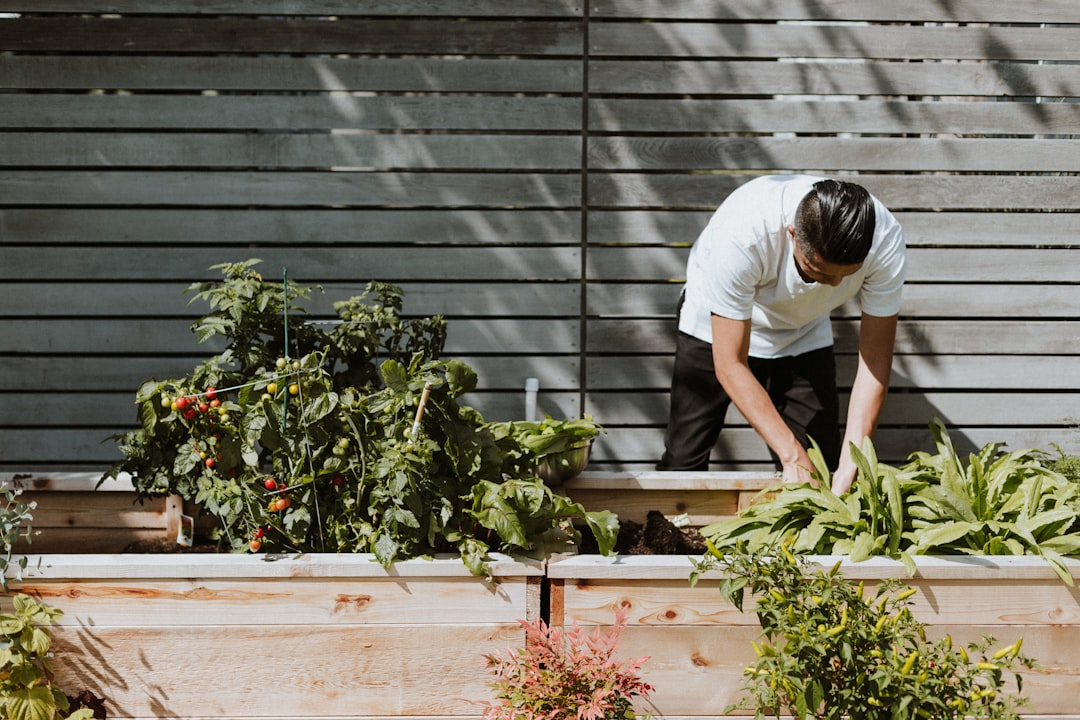
The UK’s varied climate plays a major role in shaping landscaping trends. Northern regions, including Scotland and parts of Northern England, tend to favour hardy plants and low-maintenance materials that can withstand harsher weather conditions. Gravel gardens, raised beds, and wind-resistant hedging are commonly used to ensure durability.
In contrast, southern regions benefit from milder weather, allowing for a wider variety of planting options. Mediterranean-inspired gardens, complete with olive trees, lavender, and drought-tolerant plants, are becoming increasingly popular as homeowners look to create low-water, sustainable outdoor spaces. This shift reflects broader environmental awareness and the need to adapt gardens to changing weather patterns.
Modern Landscaping Features Gaining Popularity
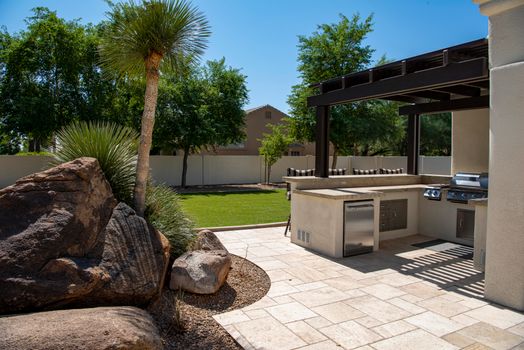
Across the UK, several key landscaping features are emerging as consistent trends regardless of region. Outdoor living spaces have become a central focus, with patios, decking, and pergolas transforming gardens into extensions of indoor living areas. Fire pits and outdoor kitchens are particularly sought after, especially among homeowners who enjoy entertaining.
Water features are also making a comeback, though with a modern twist. Instead of traditional ponds, many homeowners are opting for sleek, minimalist designs such as reflective pools or wall-mounted water installations. These features add a sense of tranquillity without requiring extensive maintenance.
Lighting is another crucial element, with strategically placed garden lighting enhancing both safety and ambience. LED solutions and solar-powered options are widely used to highlight pathways, plants, and architectural features.
Sustainability and Eco-Friendly Landscaping
Sustainability continues to shape landscaping decisions across the UK. Homeowners are increasingly prioritising eco-friendly materials and practices, such as permeable paving, rainwater harvesting systems, and native planting schemes that support local biodiversity. Wildflower lawns and pollinator-friendly gardens are particularly popular in both urban and rural settings.
This trend is especially evident in suburban areas, where there is greater flexibility to experiment with naturalistic planting and rewilding techniques. By reducing the need for chemical treatments and excessive watering, these approaches not only benefit the environment but also reduce long-term maintenance costs.
The Influence of Property Trends on Garden Design
Property trends also play a significant role in shaping landscaping styles. New-build homes often feature smaller, blank-canvas gardens that require complete design and installation. This has led to a rise in demand for structured layouts, incorporating zoning techniques to create distinct areas for relaxation, dining, and play.
Period properties, on the other hand, tend to favour sympathetic landscaping that complements the character of the home. Features such as brick pathways, heritage planting schemes, and ornamental borders are commonly used to preserve a sense of authenticity while still introducing modern functionality.
Tailoring Landscaping to Local Needs
Ultimately, successful landscaping is about understanding both regional influences and individual preferences. Whether it is a compact urban garden or a large rural plot, the key is to create a space that reflects how it will be used. Professional landscaping services offer valuable insight into local soil conditions, climate considerations, and design trends, ensuring a result that is both practical and visually appealing.
As landscaping continues to evolve across the UK, regional distinctions will remain an important factor. By blending national trends with local expertise, homeowners can create outdoor spaces that are not only stylish but also perfectly suited to their environment.