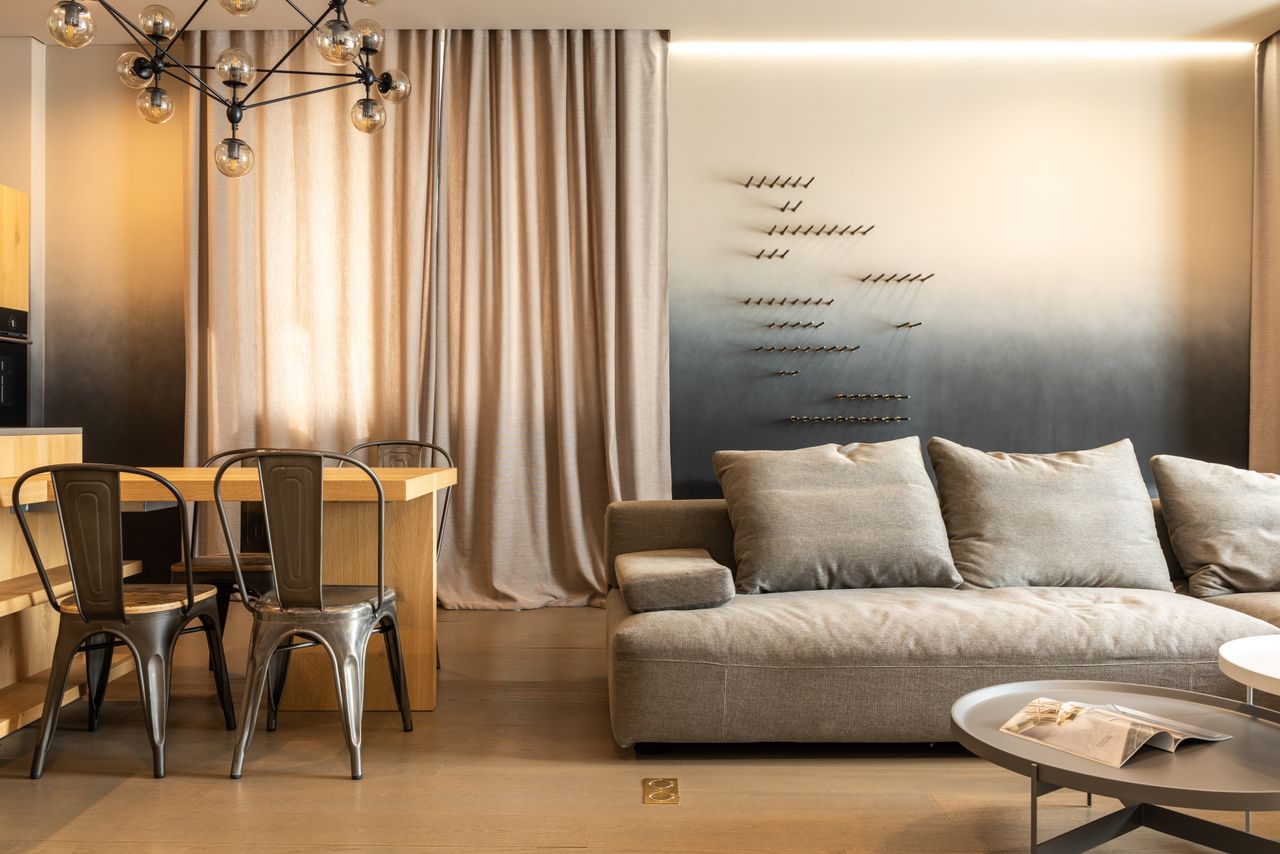
Some homes impress at once. Others quietly put you at ease. The second kind is harder to explain. It is not about square footage, expensive materials or a string of statement pieces. More often, it comes down to restraint, where the eye can rest, how light moves across a wall in late afternoon, and whether a room feels arranged for living instead of display.
In parts of north London, that difference stands out. Hampstead, with its old houses, layered histories and awkward room shapes, tends to reward interiors that listen to the building instead of overpowering it. The best schemes in these settings do not chase novelty for its own sake. They work with creaking floorboards, deep reveals, garden-facing light and the quiet confidence of rooms that have evolved rather than been “done”.
That may be why people searching for a luxury interior designer Hampstead are often after something more nuanced than glamour. They want a home that feels considered but not stiff, polished but still personal. In a neighbourhood where architecture ranges from Georgian proportion to Arts and Crafts cosiness, design has to do more than look good in photographs. It has to hold a conversation with the house itself.
What gives a room that composed feeling?
- Material honesty: timber, linen, stone and plaster used in ways that age well.
- Proper scale: furniture that suits the room instead of dominating it.
- Controlled contrast: one or two sharper notes in colour or form, not ten.
Perhaps that is the real marker of luxury now. Not excess, but ease. A room that does not need to announce itself can still be memorable. In fact, it usually is. The spaces people return to in their minds are rarely the loudest. They are the ones that made everyday life feel a little more graceful.
Featured image credit: Pexels.