Gardening is one of the most rewarding hobbies, offering benefits for both physical wellbeing and mental health. Whether you have a large garden, a small patio, or a balcony, a few simple gardening practices can help you create a vibrant outdoor space that flourishes throughout the year.
Start with Healthy Soil
Healthy plants begin with healthy soil. Before planting, it’s important to understand the condition of your soil and make improvements where necessary.
Adding organic matter such as compost improves soil structure, drainage, and nutrient content. Regular mulching also helps retain moisture while reducing weed growth.
Investing time in soil preparation will often deliver better results than purchasing expensive fertilisers later on.
Choose Plants Suitable for Your Garden
One of the most common mistakes beginner gardeners make is selecting plants that are not suited to their growing conditions.
Before purchasing plants, consider:
- Sunlight levels
- Soil type
- Available space
- Local climate
Choosing plants that naturally thrive in your environment will reduce maintenance requirements and improve success rates.
Create a Year-Round Planting Plan
A well-planned garden provides colour and interest throughout every season.
Spring bulbs, summer perennials, autumn foliage, and winter evergreens can work together to ensure your garden never feels empty.
Keeping a simple gardening calendar helps you stay organised and ensures key planting tasks are completed at the right time.
Water Efficiently
Proper watering is essential for plant health. However, overwatering can be just as damaging as underwatering.
Water deeply rather than frequently to encourage strong root growth. Early morning is typically the best time to water because less moisture is lost through evaporation.
Installing water butts can also help reduce water consumption and lower utility costs.
Encourage Pollinators
Bees, butterflies, and other pollinators play a crucial role in supporting healthy ecosystems.
You can attract pollinators by planting:
- Lavender
- Foxgloves
- Buddleia
- Wildflowers
Avoiding excessive pesticide use also helps create a wildlife-friendly environment that benefits the entire garden.
Keep on Top of Weeds
Weeds compete with desirable plants for nutrients, water, and sunlight.
Regular weeding prevents small problems from becoming larger ones. Applying mulch around plants can significantly reduce weed growth while improving soil quality.
The key is consistency. A few minutes of weeding each week is often more effective than tackling a heavily overgrown garden later.
Grow Your Own Fruit and Vegetables
Home-grown produce is increasingly popular among UK gardeners.
Easy crops for beginners include:
- Lettuce
- Tomatoes
- Strawberries
- Herbs
- Courgettes
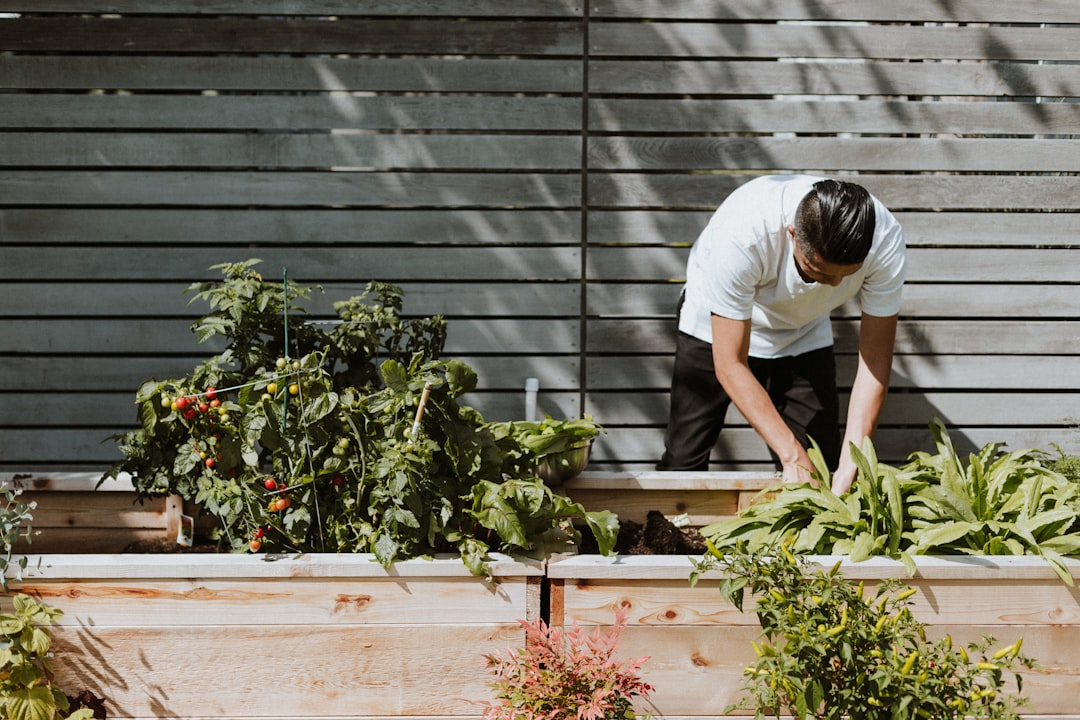
Growing your own food can reduce grocery bills while providing fresh ingredients throughout the growing season.
Container gardening also makes vegetable growing possible in smaller spaces.
Prune for Health and Growth
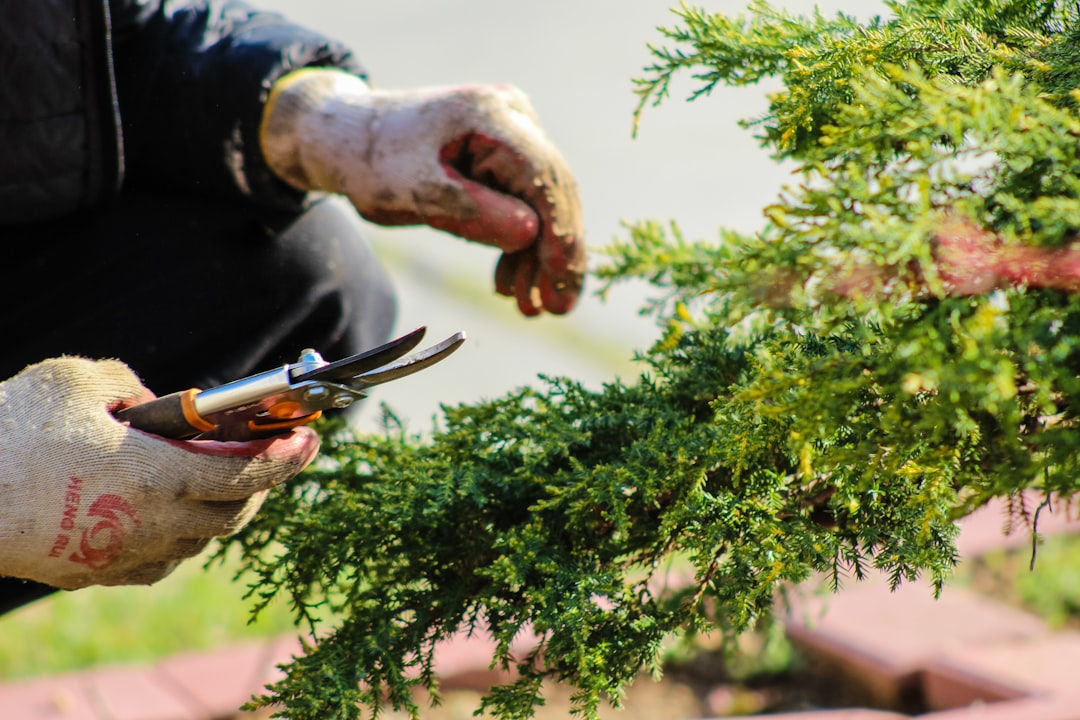
Pruning helps maintain plant shape, improve airflow, and encourage healthy growth.
Different plants require pruning at different times of year, so it’s important to understand the specific needs of each species.
Removing dead, damaged, or diseased branches can also help prevent problems from spreading throughout the garden.
Final Thoughts
Successful gardening doesn’t require expert knowledge or expensive equipment. By focusing on soil health, selecting suitable plants, watering wisely, and maintaining your garden regularly, you can create a beautiful outdoor space that provides enjoyment throughout the year.
Gardening is a continual learning process, and even small improvements can produce impressive results over time.