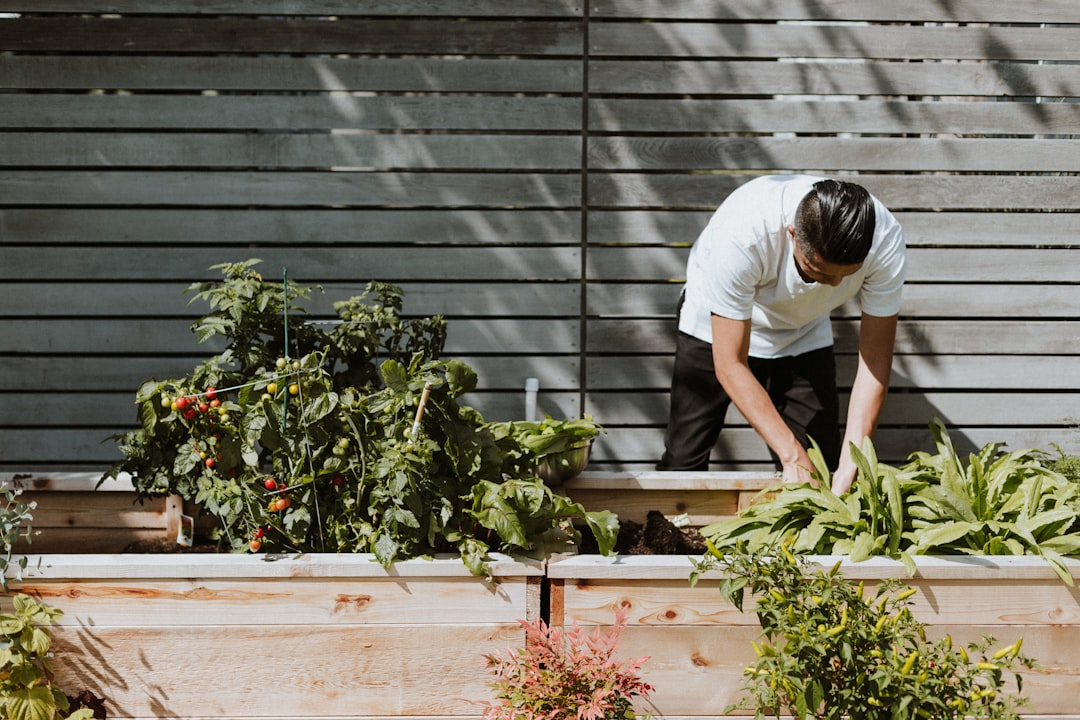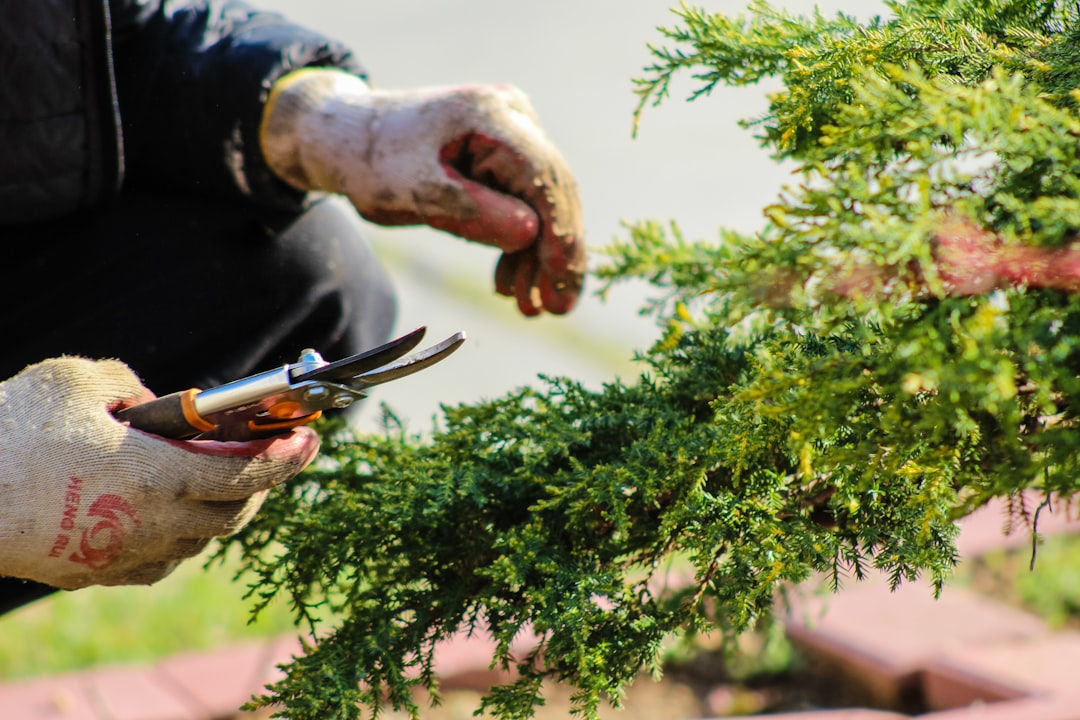
As summer fades and the days become shorter, the garden begins to change pace. Flowers start to disappear, leaves turn golden and lawns stop growing quite so vigorously. But autumn is far from a time to forget about the garden. In fact, a little preparation now can make a noticeable difference when spring arrives.
Give Your Lawn Some Attention
Autumn is a good time to give the lawn some much-needed care after the wear and tear of summer. Keep mowing while the grass continues to grow, but raise the cutting height slightly as temperatures fall. Removing fallen leaves regularly is also important, as a thick layer can block light and trap moisture against the grass.
If your lawn is looking tired or compacted, autumn is also a useful time for aerating and scarifying. These jobs help improve drainage, remove dead material and allow air and nutrients to reach the roots.
Tidy Borders Without Overdoing It
It can be tempting to cut everything back as soon as plants start looking untidy, but leaving some seed heads and stems in place can provide food and shelter for wildlife over the colder months. Ornamental grasses, for example, can look particularly attractive when covered in frost.
That doesn’t mean the garden needs to be left completely wild. Remove diseased foliage, cut back plants that have finished flowering where appropriate and clear away weeds before they have a chance to establish themselves through winter.
Plant For Spring
One of the most satisfying autumn gardening jobs is planting spring-flowering bulbs. Daffodils, crocuses, tulips and alliums can be planted while the soil is still workable, giving them plenty of time to establish roots before winter.
Autumn is also an excellent planting season for trees, shrubs and many hardy perennials. The cooler weather and naturally wetter soil mean plants can settle in without the stress of a hot summer.
Make The Most Of Fallen Leaves
Don’t see every fallen leaf as something that needs to go straight into the bin. Collected leaves can be turned into leaf mould, creating a valuable soil conditioner for use around the garden in future years.
Gather leaves from lawns, paths and patios, while leaving some in less formal areas where they can provide valuable habitat for insects and other garden wildlife.
Prepare For The Colder Months
Before winter arrives, check fences, gates, sheds and other garden structures for damage. Clean and store summer furniture where possible, protect vulnerable plants and make sure pots have adequate drainage to prevent them becoming waterlogged.
A few hours spent preparing the garden during autumn can save considerable effort later. More importantly, it means that when the first signs of spring appear, the garden is already in a good position to get growing again.
Featured image from Pexels.