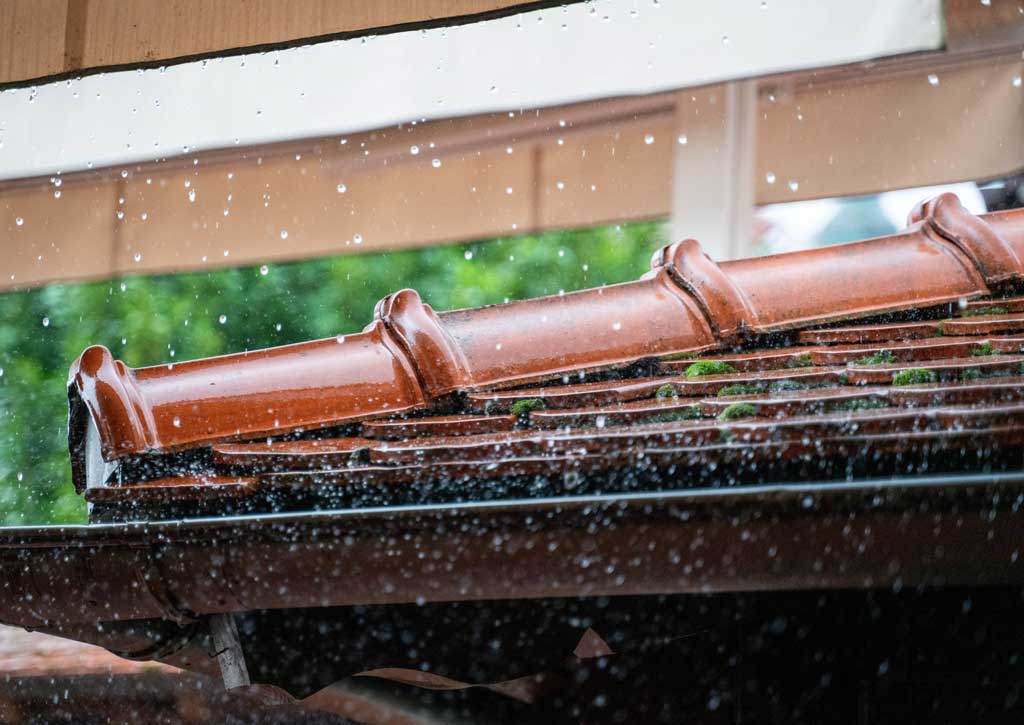
Most of us only notice rainwater systems when something goes wrong. A dark stain creeps down the brickwork, the paving stays slick for days, or a small waterfall pours off the corner of the roof in a downpour. Gutters are easy to ignore because, when they work properly, they fade into the background of a building’s daily life.
Yet they do an important job. In a wet British climate, keeping rain moving away from roofs, walls and foundations is basic building care, not a luxury. Overflowing or badly fitted guttering can lead to damp patches, moss build-up and early wear around fascias and soffits. On older properties in particular, one neglected section can turn into a string of larger maintenance jobs by spring.
That is why even routine household repairs often lead people to look more closely at materials, profiles and replacement parts. Someone dealing with a garage roof, a workshop or a run of domestic guttering soon finds that the right component matters more than expected. Browsing specialist gutters suppliers can help, not because it turns a repair into a grand project, but because it shows what fits, what lasts and what suits the building.
What to check before the bad weather sets in
- Look for joints that drip after heavy rain.
- Clear out leaves, silt and moss from runs and outlets.
- Check brackets and fixings for sagging sections.
- Make sure downpipes are carrying water away cleanly.
There is also a practical satisfaction in sorting these things before they become urgent. Preventative jobs are rarely glamorous, but they often save the most hassle. Gutters may never be the most interesting part of a building, yet they are absolutely essential. In Britain, where the weather usually gets the final say, that makes them worth a second glance.
Image photo: vladimir srajber for pexels.