For years, grey seemed to be everywhere. From pale grey walls and charcoal sofas to grey kitchens, flooring and accessories, the colour became one of the defining choices of contemporary interiors. But as warmer, more characterful schemes have grown in popularity, many homeowners are asking the same question: is grey finally dated?
The short answer is not necessarily. Grey hasn’t disappeared, but the way we use it has changed.
Why Grey Became So Popular
Grey offered something that was difficult to resist. It was neutral without being quite as stark as white, worked with a huge range of colours and could make a room feel polished and contemporary. It was particularly popular in minimalist interiors, where its versatility made it an easy foundation for furniture and accessories.
The problem came when grey was used everywhere, often in the same cool tones. Grey walls combined with grey flooring, grey sofas and silver accessories could leave a room feeling rather flat and impersonal.
Warmth Is Changing The Look
Interior trends have increasingly moved towards warmer, more natural colours. Creams, warm whites, earthy browns, terracotta, olive greens and softer beige tones can make a space feel more relaxed and inviting.
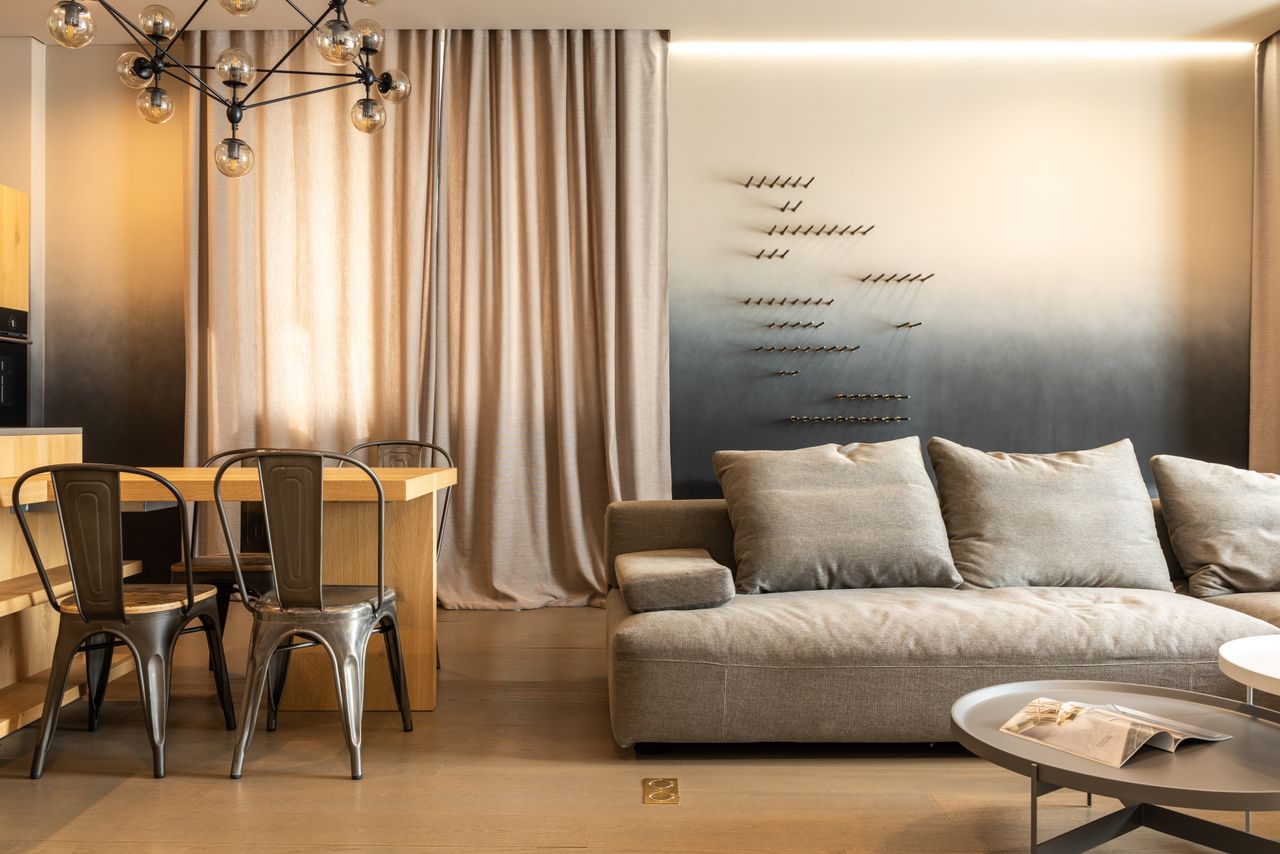
That doesn’t mean grey has no place in these schemes. The key is choosing a warmer grey rather than a cold, blue-toned shade. Greige — a blend of grey and beige — has become particularly useful for anyone who likes the neutrality of grey but wants a softer feel.
It’s More About The Shade Than The Colour
Rather than asking whether grey itself is dated, it may be more useful to ask whether your particular shade of grey still works with your home.
A deep charcoal can look sophisticated in a contemporary living room, while a warm grey can provide a subtle backdrop for natural wood, linen and textured fabrics. Used carefully, grey can also be an excellent way of adding contrast without relying on black.
The interiors that can feel most dated are often those where grey has been used as the default rather than as part of a considered colour scheme.
So, Should You Paint Over Your Grey Walls?
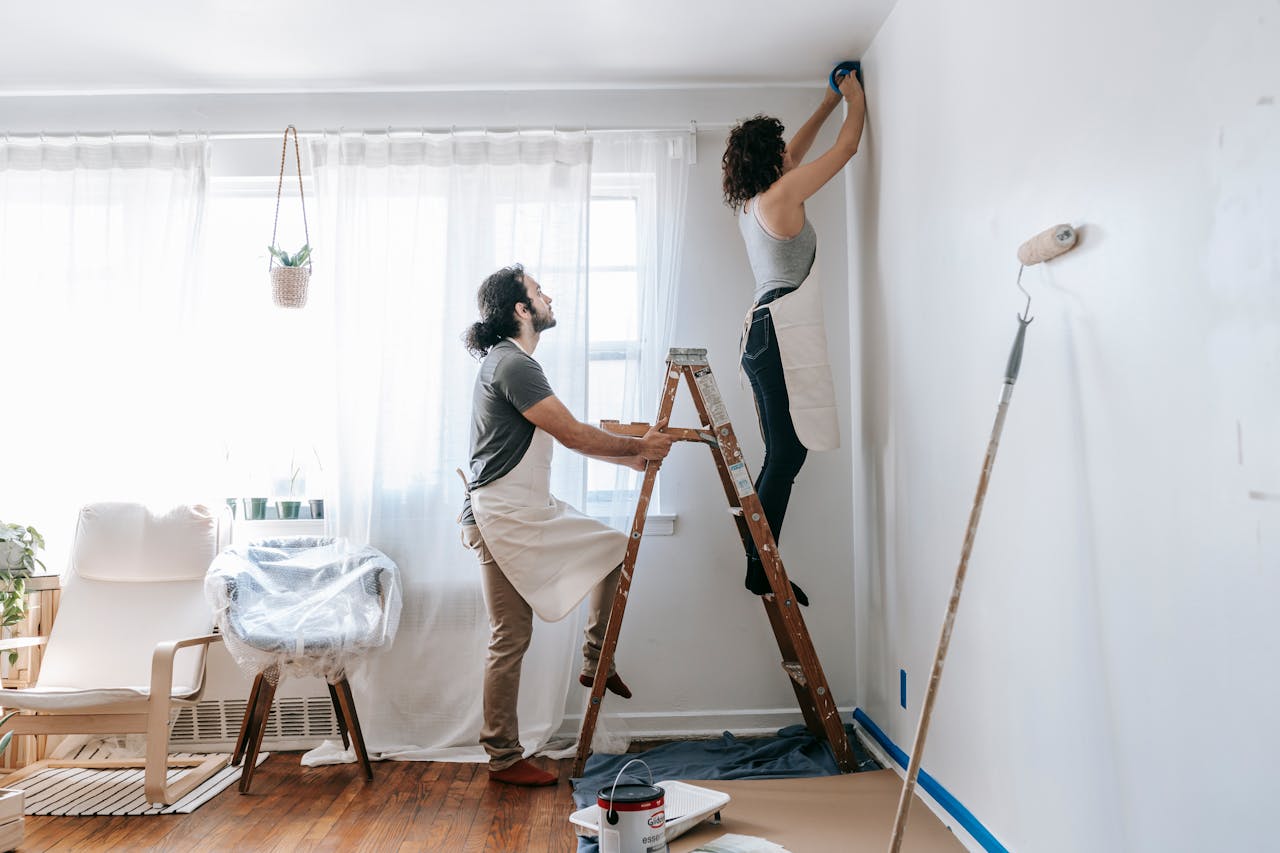
Not necessarily. If you love your grey walls, there’s no reason to replace them simply because the latest interior trend favours warmer colours. Trends come and go, whereas a home should ultimately reflect the people who live in it.
If the room does feel a little cold, however, you don’t necessarily need to reach for the paintbrush. Introduce warmer lighting, natural wood, textured fabrics, greenery and accessories in earthy shades. These can soften a grey scheme considerably.
Grey isn’t dead; it’s simply evolving. Instead of the cool, uniform grey interiors that dominated the 2010s, today’s schemes tend to use it with greater warmth, texture and personality. And that is perhaps the real lesson of changing interior trends: good design isn’t about following every fashion, but finding combinations that make your home feel right.
Featured image credit: Pexels.