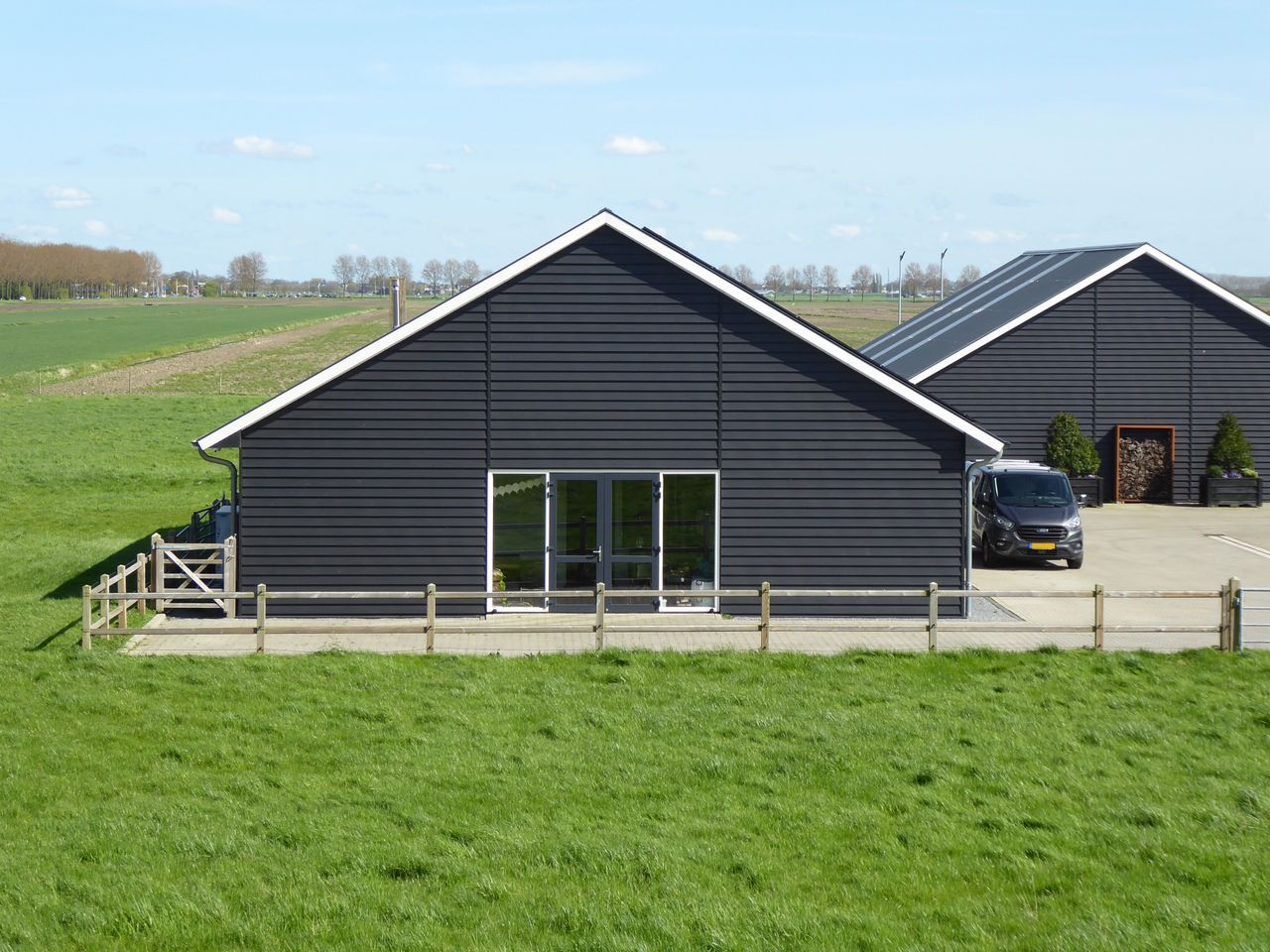
Most of us notice buildings from the pavement up. A town’s mood is often set not by its landmarks, but by the everyday rooflines of warehouses, depots and trade counters just beyond the high street. These large, practical structures rarely get much affection, yet they do a lot of visual heavy lifting. When they’re neglected, an area can feel tired before you even know why.
There’s also a strange divide in how we talk about the built environment. We’ll happily discuss shopfronts, paving and planting, but the outer skin of industrial buildings is often treated as purely technical. In reality, the condition of roof sheets, wall panels and trims affects more than weatherproofing. It shapes how a business is seen, how an estate ages and how confidently a place presents itself to visitors and tenants.
That is one reason people researching industrial roofing and cladding contractors are often looking for more than repairs. They may be thinking about energy efficiency, lifespan, safety compliance, or simply whether a dated unit can be made to look credible again. On industrial estates in particular, a refreshed exterior can change the tone of an entire row of buildings. It can mark the difference between somewhere that feels functional and somewhere that feels forgotten.
More than a maintenance job
Industrial exteriors sit where appearance meets performance. A sensible upgrade can help with:
- heat loss and internal comfort
- water ingress and long-term structural wear
- the visual coherence of mixed-use business estates
- tenant confidence and first impressions
None of this is glamorous, and that may be the point. The best improvements to working buildings are often the least theatrical. Taken together, though, they influence how an area functions and how seriously people take it. We tend to think civic pride starts in obvious places. Quite often, it starts on the edge of town, above the loading bay.
Photo via Pexels.